Designing a new digital tool on well management, planning and analysis for a multinational oil and gas company
Project background
Fjord partnered with an international oil and gas company to design a digital well management tool for upstream well engineers. Our team for this project consisted of a design lead, a visual designer and myself as a service and interaction designer. A large part of this project mainly took place in South East Asia and the team worked out of Singapore. 


Deliverables
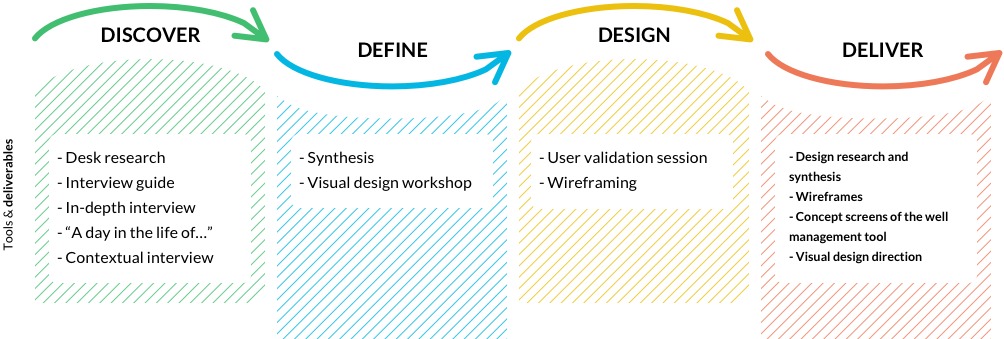
Design research and synthesis, wireframes, mid-fidelity concept flow, visual design direction


Process & Tools
My role
Service designer
‍Interaction designer
YEAR OF PROJECT
2018
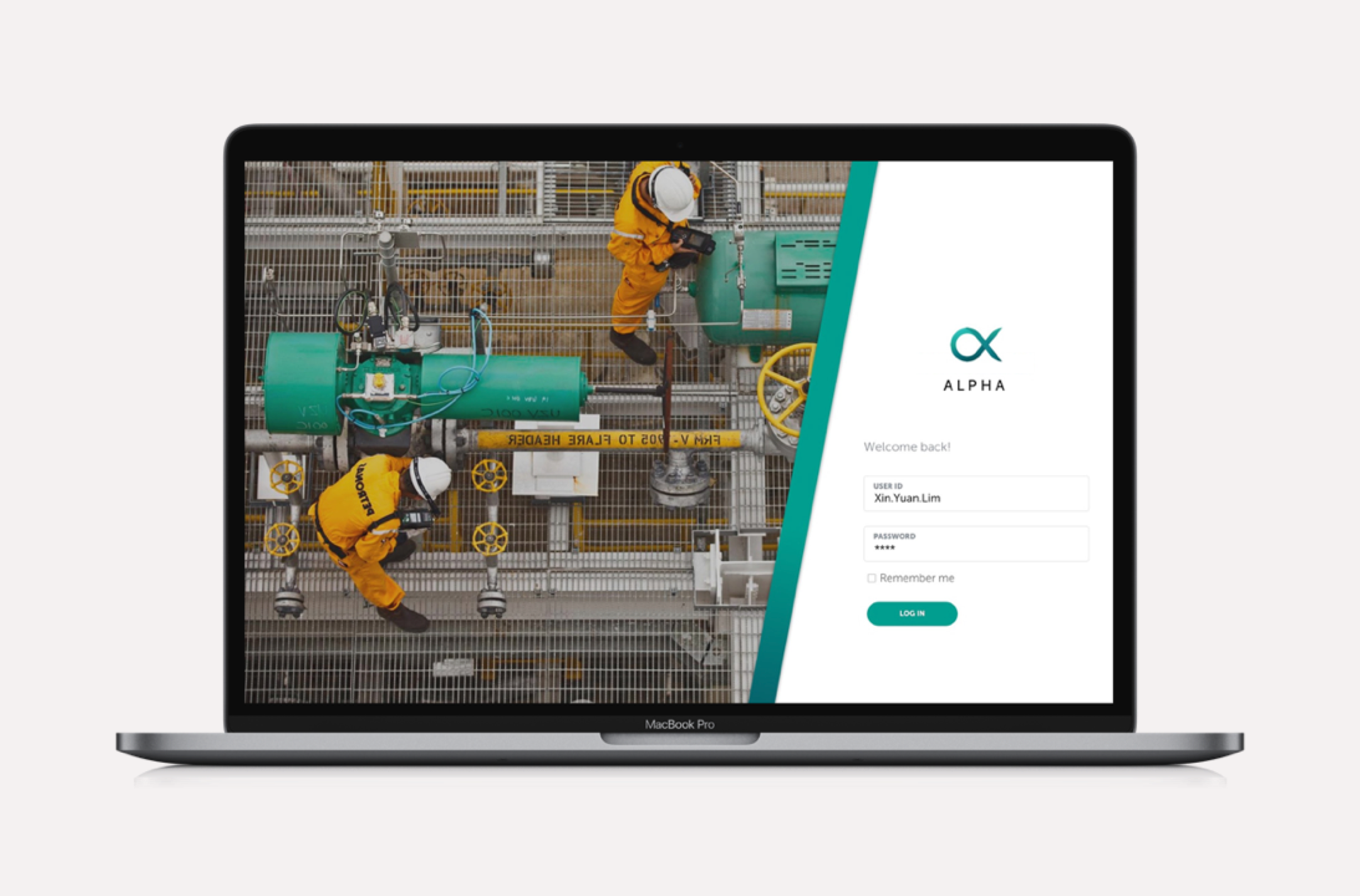
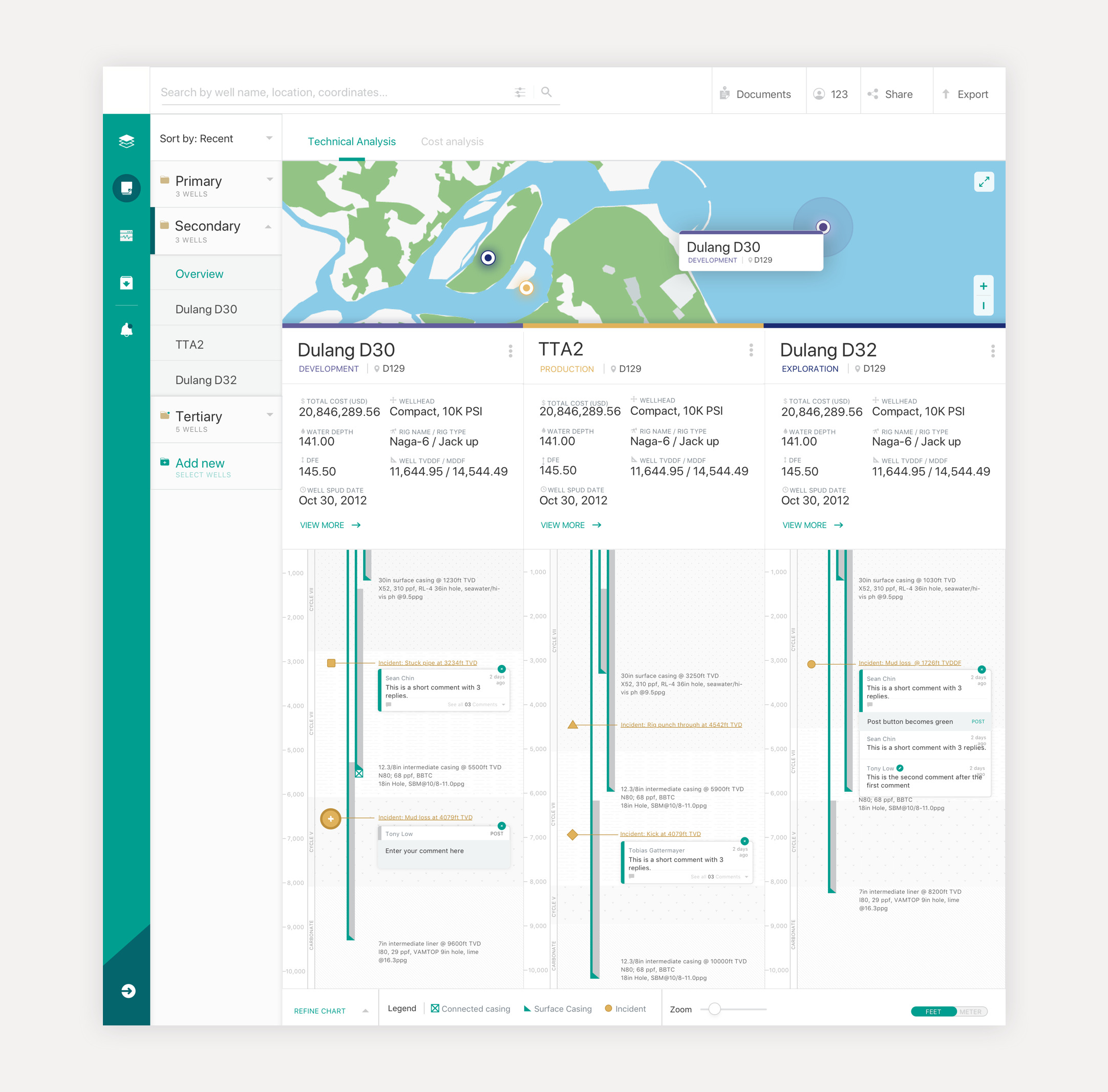
Landing page of Alpha, a web-based well management tool
Project CHALLENGE
In an oil and gas industry, an upstream team is responsible for the research and exploration of potential gas fields, drilling and operation of wells. In this project, we were tasked to understand current tools used by upstream well engineers and design new tools that will help them work faster and collaborate better. Some of the areas we focused in this projects include 1) researching for potential fields, 2) cross team analysis on potential field, 3) cost estimation and comparison of well operation.  


Solutions and impacts
A working prototype of the concept was built and delivered at the end of the project. This was used to kick-start many rounds of internal conversations relating to a cohesive digital branding within the company, as well as other potential tools that will help the downstream well engineers. Moving forward, Fjord will carry on with research related to the downstream part of the oil and gas business.


Discovery
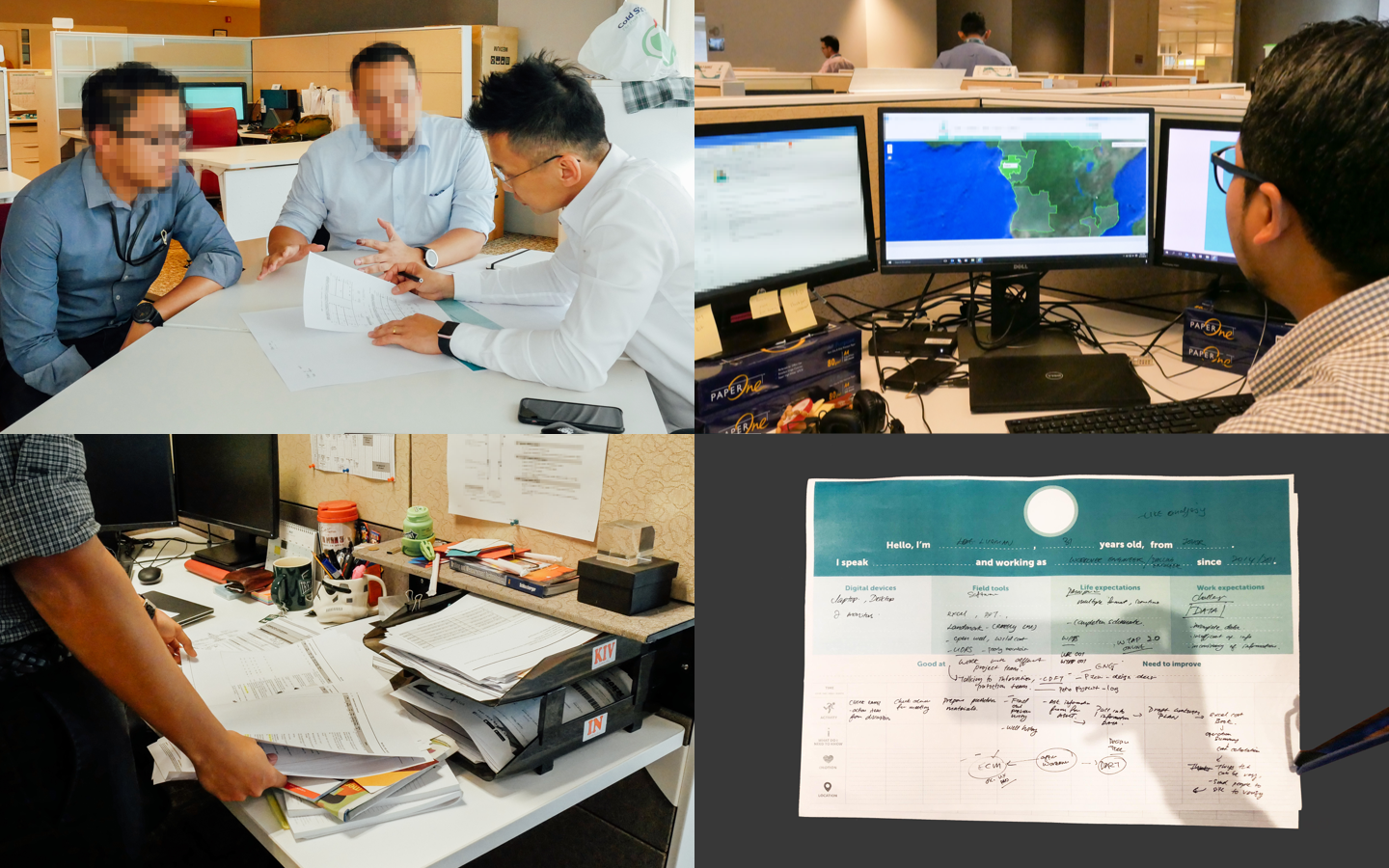
Through immersive research, we learnt about the different engineer roles and the tools they use daily. These were uncovered by the “A day in the life of...” activity and demonstrations that we requested. We shadowed different engineers for a few hours and followed them to meetings in order to get a good understanding of their job. Through research, we heard various challenges face by different engineers and how the issues are resolved permanently or temporarily. We also understood their working process with various departments as well as the tools they use interchangeably depending on the site location. 
During the discovery phase,  we interviewed several engineers with an activity and also shadowed them


Defining — OPportunity area & INSIGHTS
Over the span of 3 weeks, we interviewed and shadowed 14 engineers across various work streams. We gathered that the engineers’ workflow was hindered by the need to use multiple applications and to work with unstructured data. Despite having multiple applications, a lot of work was still done manually. For example, well charts prepared by well engineers are done on MS Excel due to lack of a better tool. This causes inconsistencies and is challenging for engineers to compare the charts as they were all drawn by different engineers at various scales. Moreover, many well reports were also not digitised and engineers have to look through physical reports when they needed a particular data which was time consuming and inefficient. 

Here are some of the insights from our research:
1. Engineers are already using multiple tools in their workflow
2. They have optimised their workflow despite the lack of features
3. Inconsistent branding across all channels
1. Engineers are already using multiple tools in their workflow
They have many different internal tools, and instead of coming up with “yet another one”, we discussed the possibility of combining and removing various features into a newer version.

2. They have optimised their workflow despite the lack of features
We observed that engineers come up with different kinds of hacks and shortcuts digitally to make up for the lack of features. These are usually shared within their own internal team only

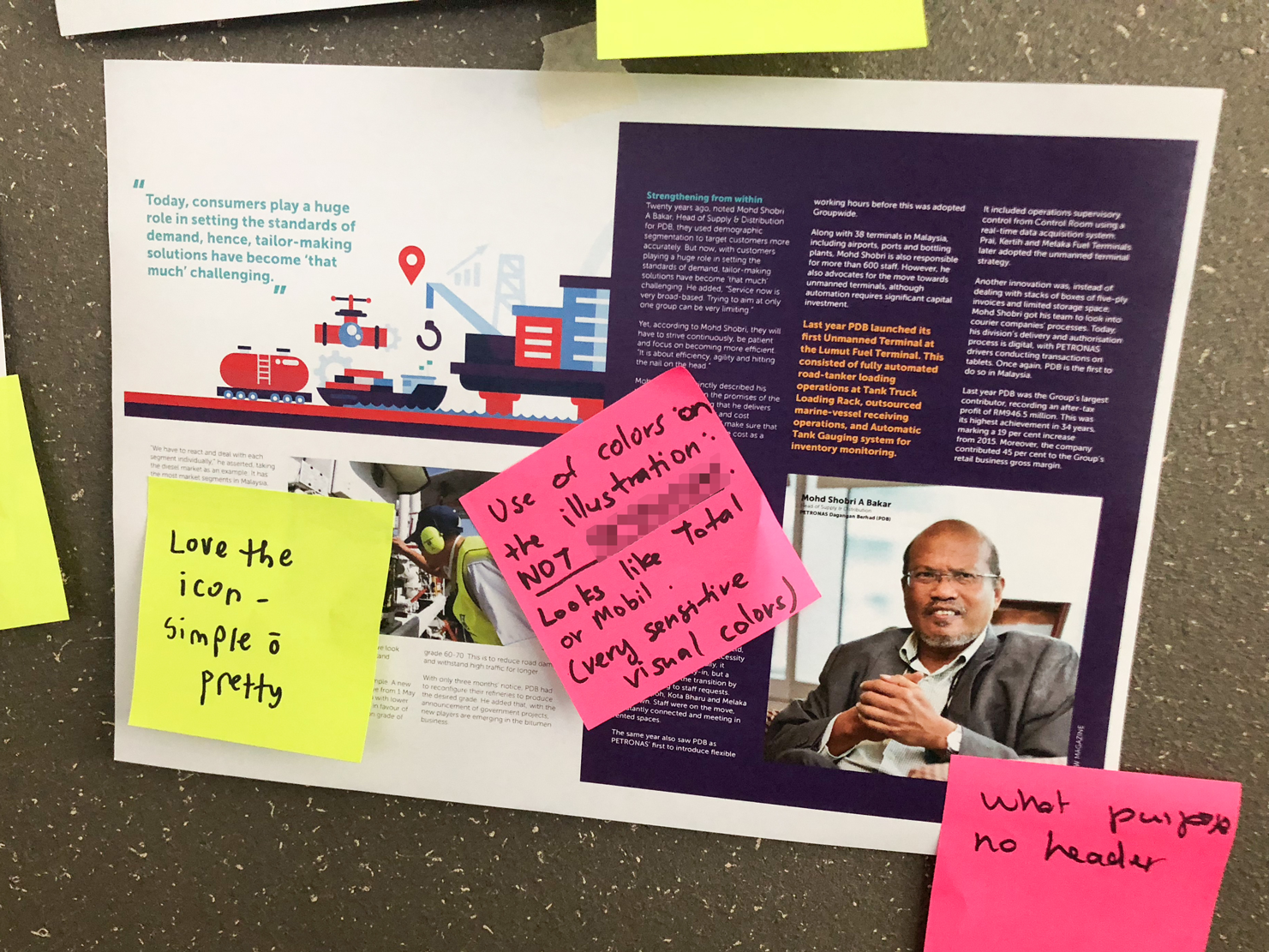
3. Inconsistent branding across all channels
Inconsistent branding allowed us to come up with an aligned visual direction and design system from existing collaterals, for future projects

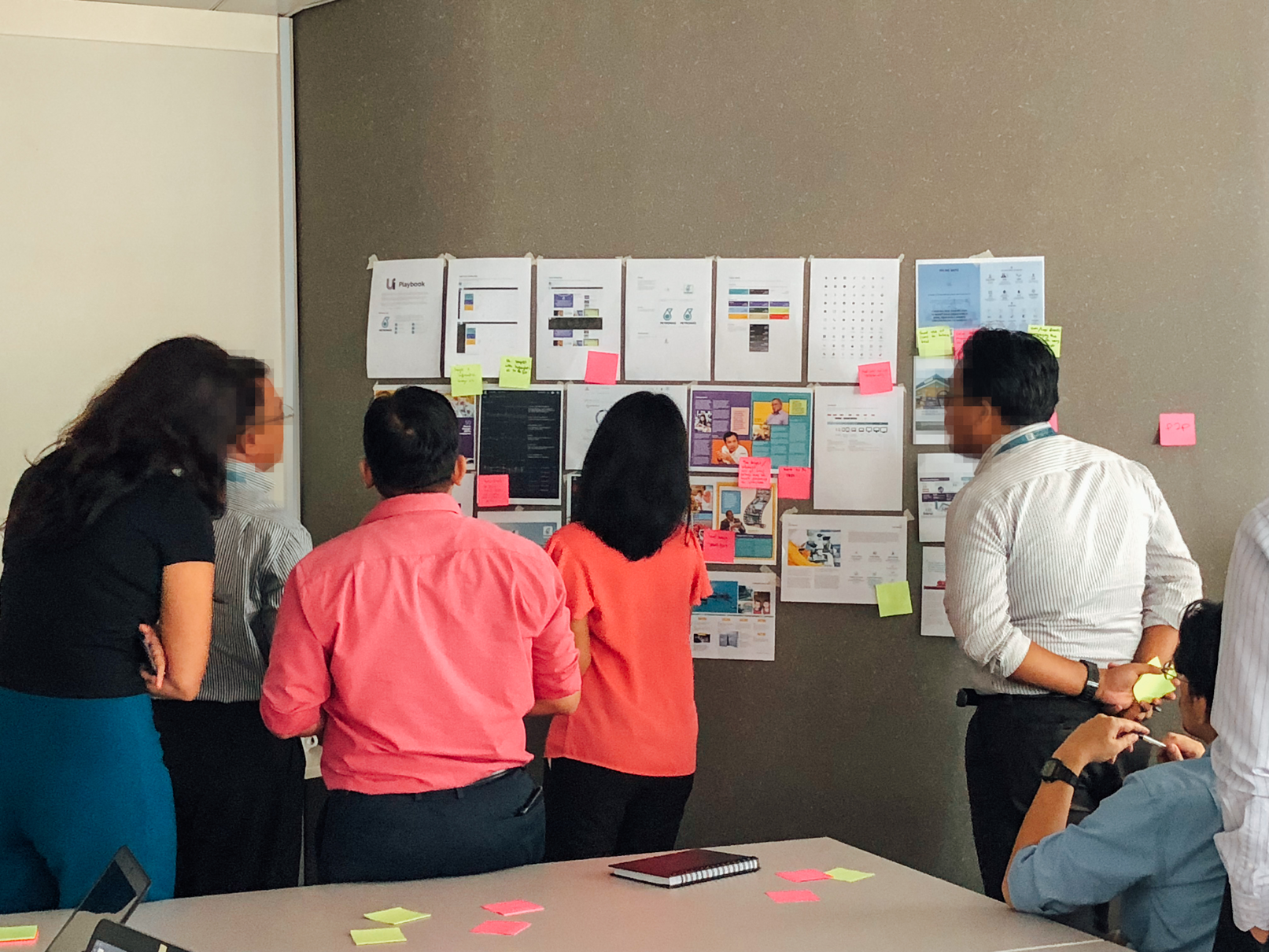
When we observed that the teams were using multiple digital tools, it was apparent that they had an inconsistent brand language across all of them. Upon further clarification, our team learnt that they had no single brand guide for us to build our design upon. The client suggested that we used this project to kickstart an online library that could be further developed in future. As such, a half-day workshop was conducted and led by our visual designer to anchor down a visual direction for this project.
Feedback gathered during a workshop with our stakeholders


Design — references, initial design and validation
Working sessions were organised to welcome engineers to co-create with the team as we ideate interface features and design. These sessions welcome curious engineers to be designers, giving them space and time to contribute any ideas while we validate our assumptions with them.

Here are some of the features in the concept that I would like to highlight:
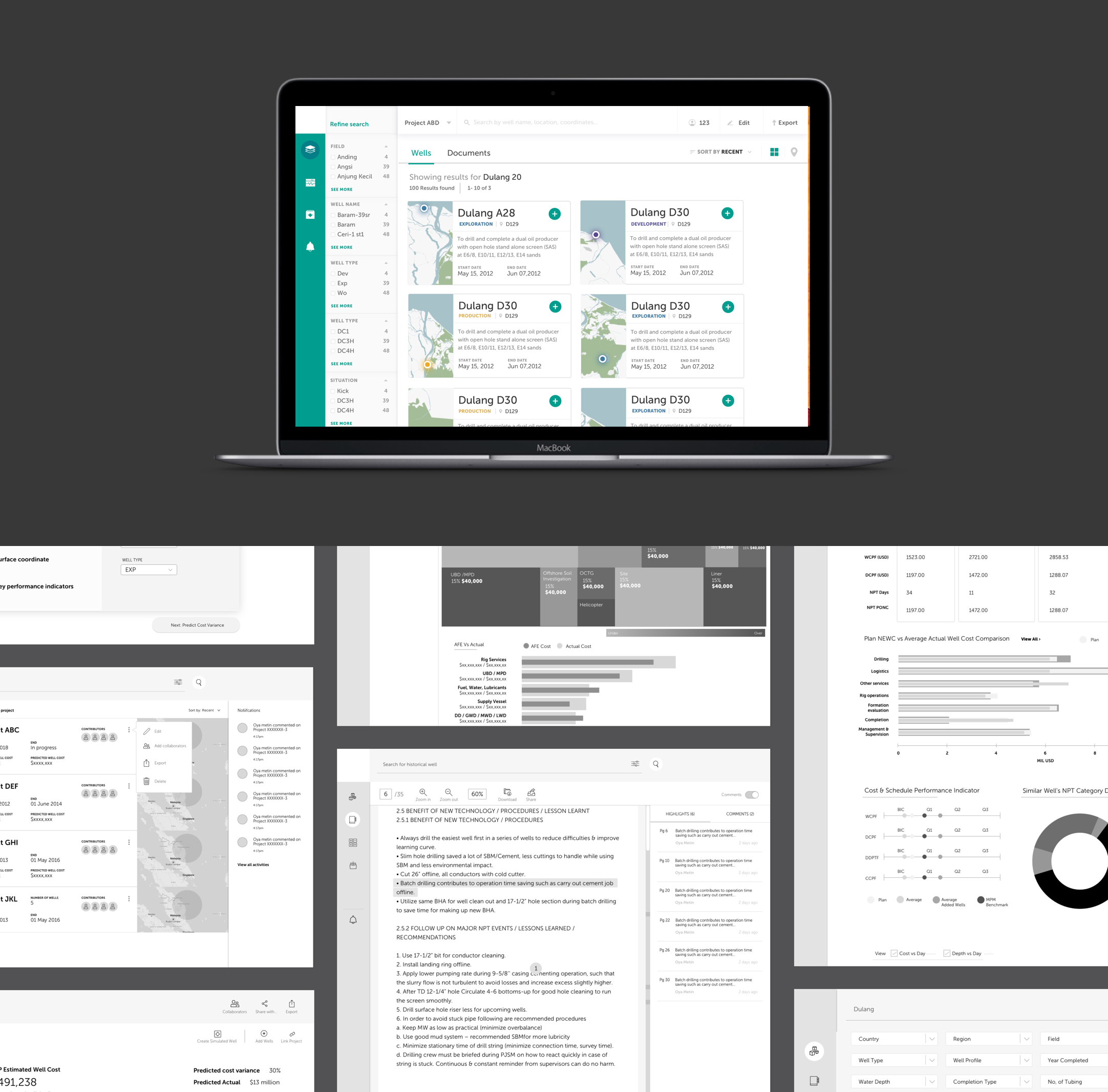
1. Contextual search on projects
2. Manage projects: Add new and group the existing
3. Read up on
existing projects
4. Compare and collaborate on projects
1. Contextual search on projects
Search results can be overloading at times, especially for new users. With an improved search feature showing only relevant keywords in bold, it can reduce the users' cognitive load and guide them to the right information on the page.

2. Manage projects: Add new and group the existing
Users can add and classify different projects to multiple folder, depending on what is needed

3. Explore existing projects
Well overview summary gives users a quick understanding of the well before he dives into the details, an interactive visual timeline connects the event and dates together

4. Compare and collaborate on projects
Engineers no longer have to compare on paper or across multiple excel sheets. This allows them to choose, add and compare on different levels


Deliver — Final design


My Role
In this project, I undertook both research and interaction designer roles and worked closely with the design lead. This is a very lean team so I often find myself taking the initiative to work individually when the lead is occupied with other tasks. For example, I like to document every interview details right after each session in Keynote for easy reference and presentation at a later stage. This allow me to digest and synthesise without losing the finer details, then subsequently translate the insights into actionable items. When interview sessions became quite ad hoc, this method allows me to quickly refer and refresh my memory of the interview. We then get together after a couple of days to discuss and decide on making any changes if needed.


REFLECTIONS AND LEARNINGS
For someone who hasn’t done sciences well in school at all, learning about petrochemistry was a total nightmare. The initial weeks were very challenging personally; it took me some time and many meetings to pick up the scientific terms and processes. On several occasions, I had to read up on the processes mentioned and revisit the interview notes countless times to fully understand what the interviewee was talking about. Thankful for my teammates, we learnt and supported each other throughout this project. 

As the team was also split between Singapore and Malaysia, we learnt that our usual tools were not suited for online collaboration. We overlooked the most vital part of the project as our visual designer was mainly based in Singapore. At the end of the project, we had a long project retrospective and took this chance to share our mistakes with the other teams who might face the same issue in future. We also looked into other possible programs for collaboration and tested it out post-project.
Other case studies
This portfolio is confidential. Please do not distribute without permission.
xinyuan14@gmail.com